Student Life
Learning inside a working broadcaster
Academy life follows the rhythm of production: rehearsals, rigs, recordings and reviews, alongside a trilingual community of performers and technicians.
The Studio Environment
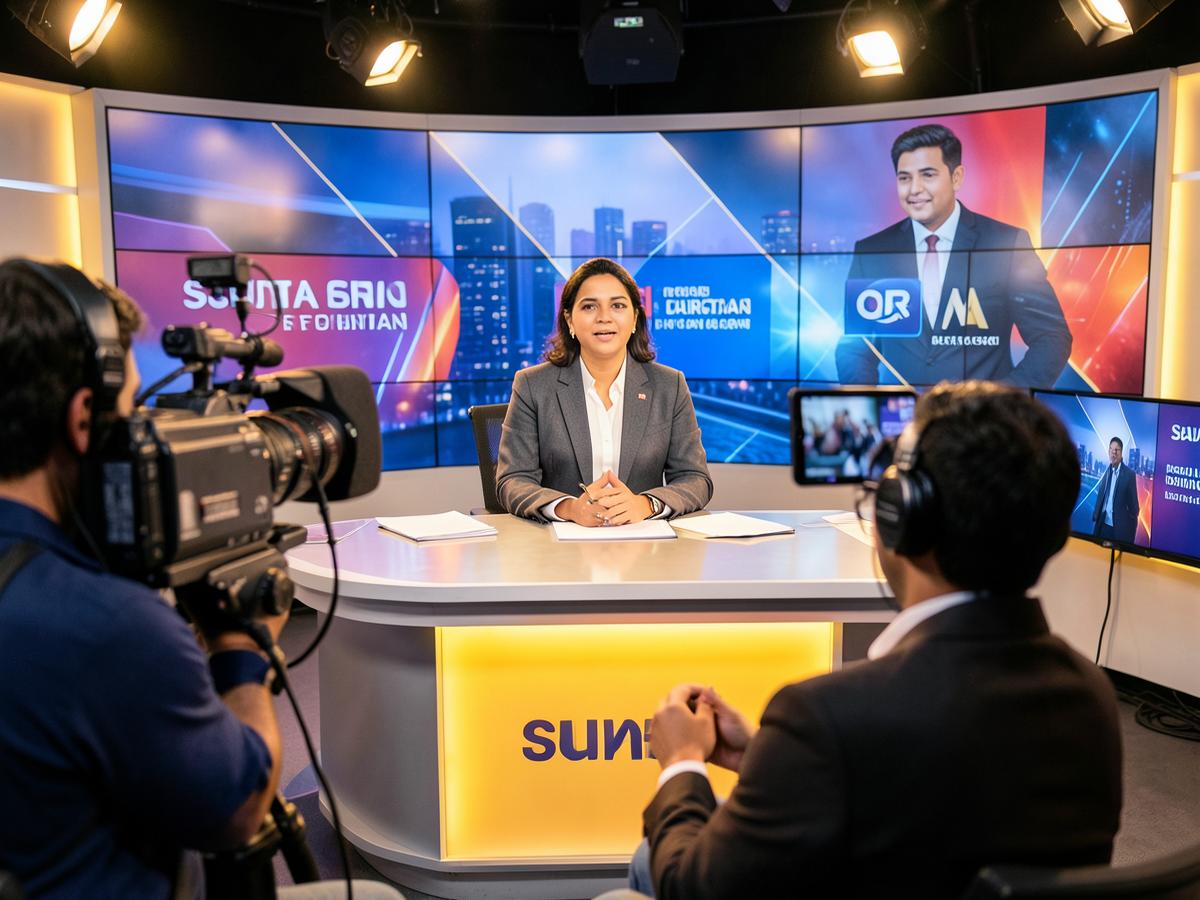
Your classroom has a lighting grid
Students work to studio discipline from week one — call times, comms, floor etiquette and equipment care are taught alongside the craft itself.
Experience
What your term looks like
Studio-Based Learning
Scheduled access to broadcast studios, galleries and control rooms.
Practical Production Work
Crewed productions where every student rotates through real roles.
Student Showcase
End-of-term screenings of student drama, bulletins and short films.
Industry Workshops
Guest sessions with directors, editors and broadcast engineers.
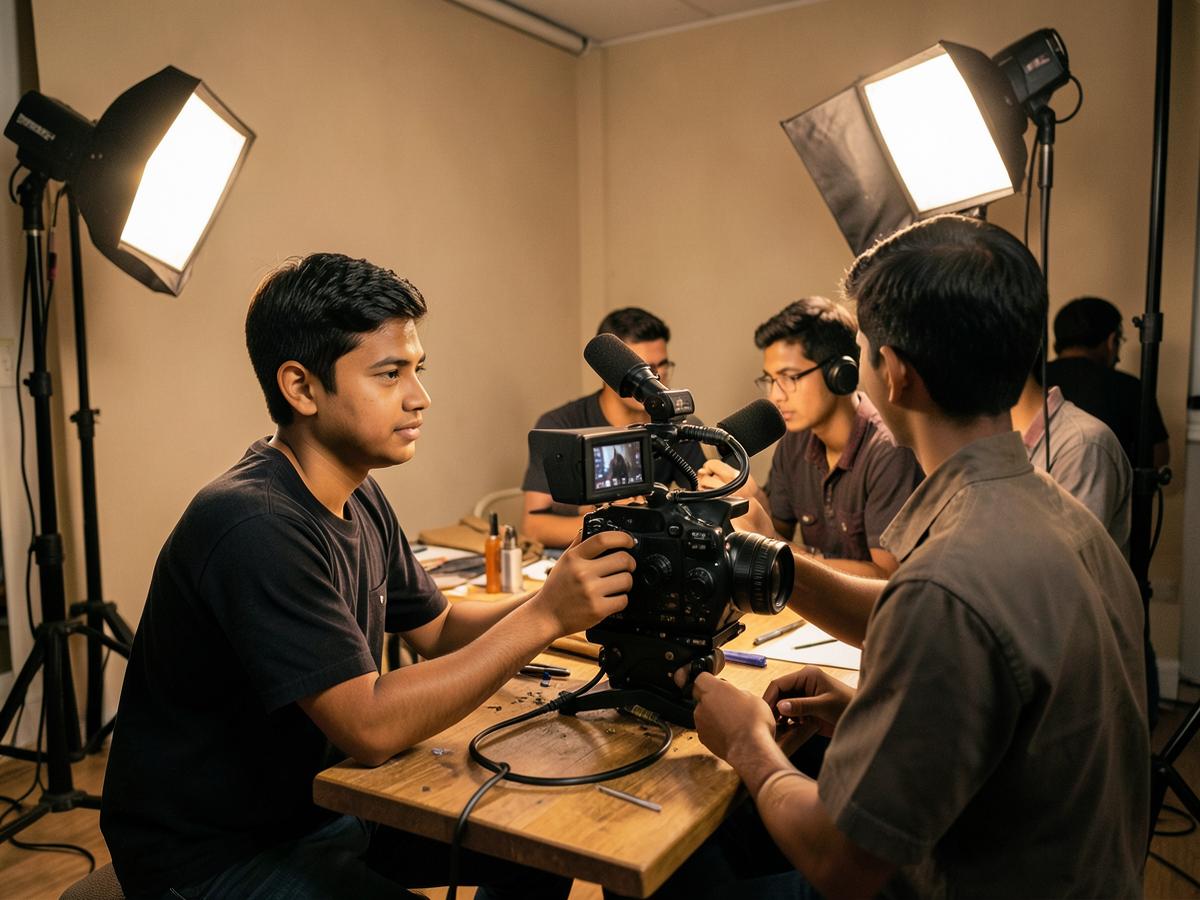
Media Equipment Access
Cameras, lighting kits, editing suites and recording booths.
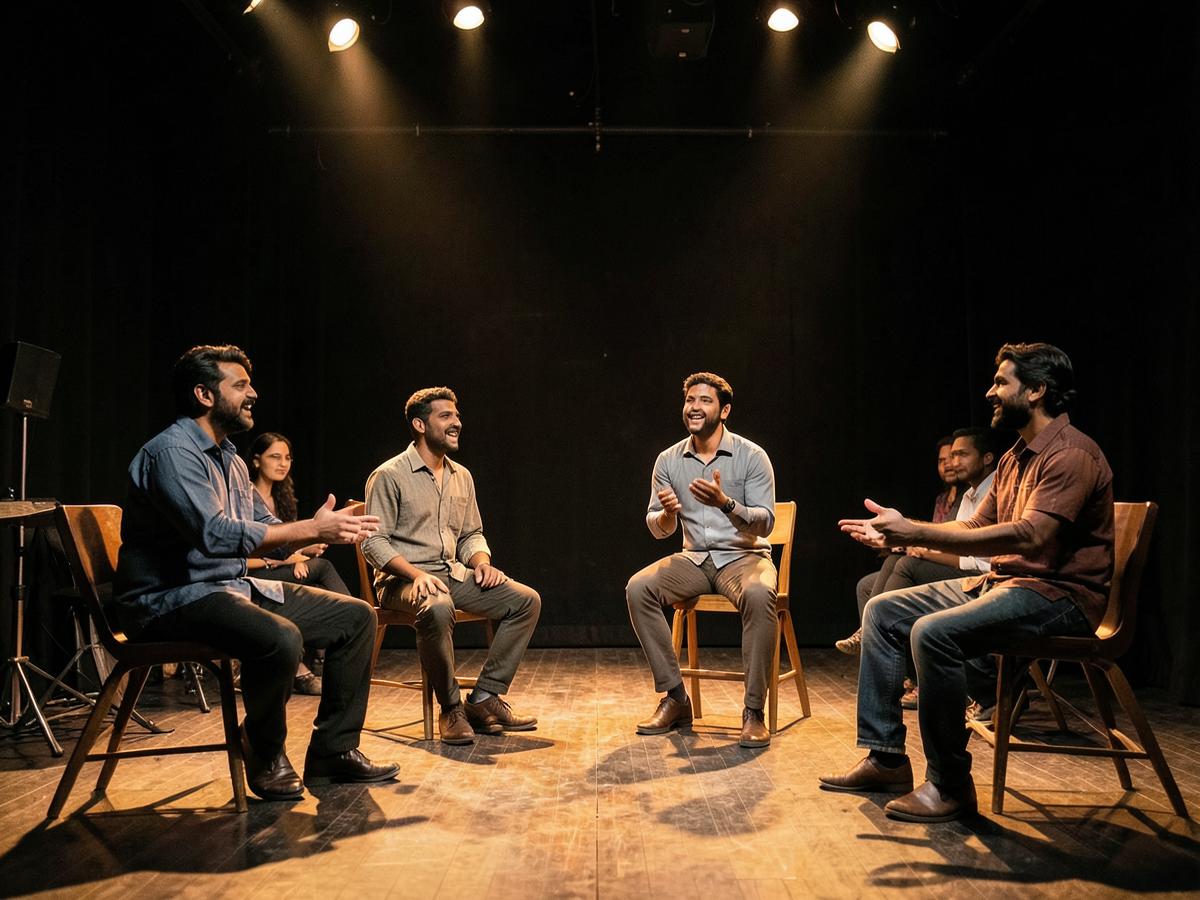
Peer Creative Community
A trilingual cohort of performers, technicians and storytellers.
Equipment
Media equipment you will use
- Broadcast studio cameras and pedestals
- Studio lighting grids and portable kits
- Teleprompters and autocue systems
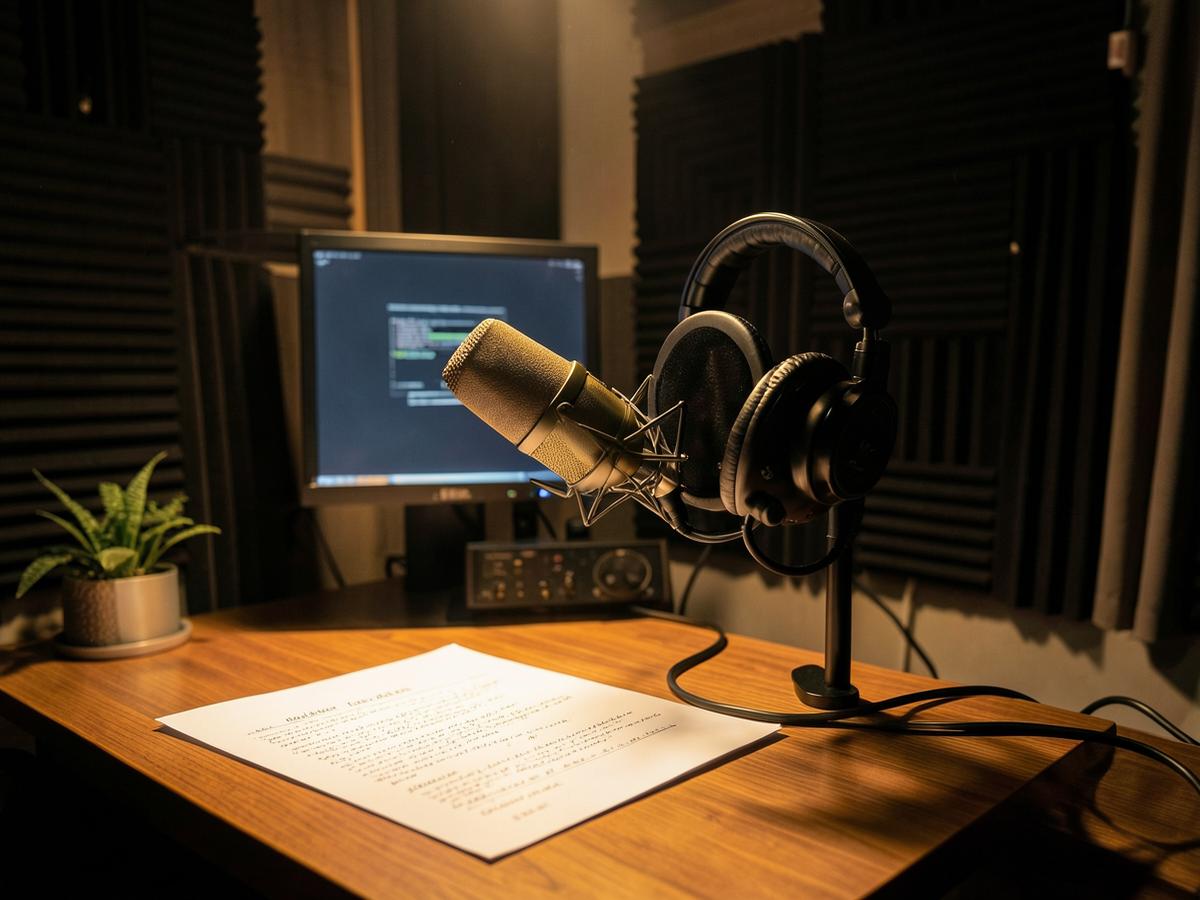
- Sound-treated recording booths
- Field ENG camera kits
- Non-linear editing workstations
Workshops
Industry guest sessions
Directing for Multi-Camera Drama
Guest session — [PLACEHOLDER date]
Newsroom Ethics & Accuracy
Guest session — [PLACEHOLDER date]
Colour Grading for Television
Guest session — [PLACEHOLDER date]
Building a Professional Showreel
Guest session — [PLACEHOLDER date]
Showcase
Every student leaves with work to show
Graduating cohorts screen their teledramas, bulletins and showreels at an end-of-term showcase attended by academy staff and industry guests.