About the Academy
A national broadcaster's classroom
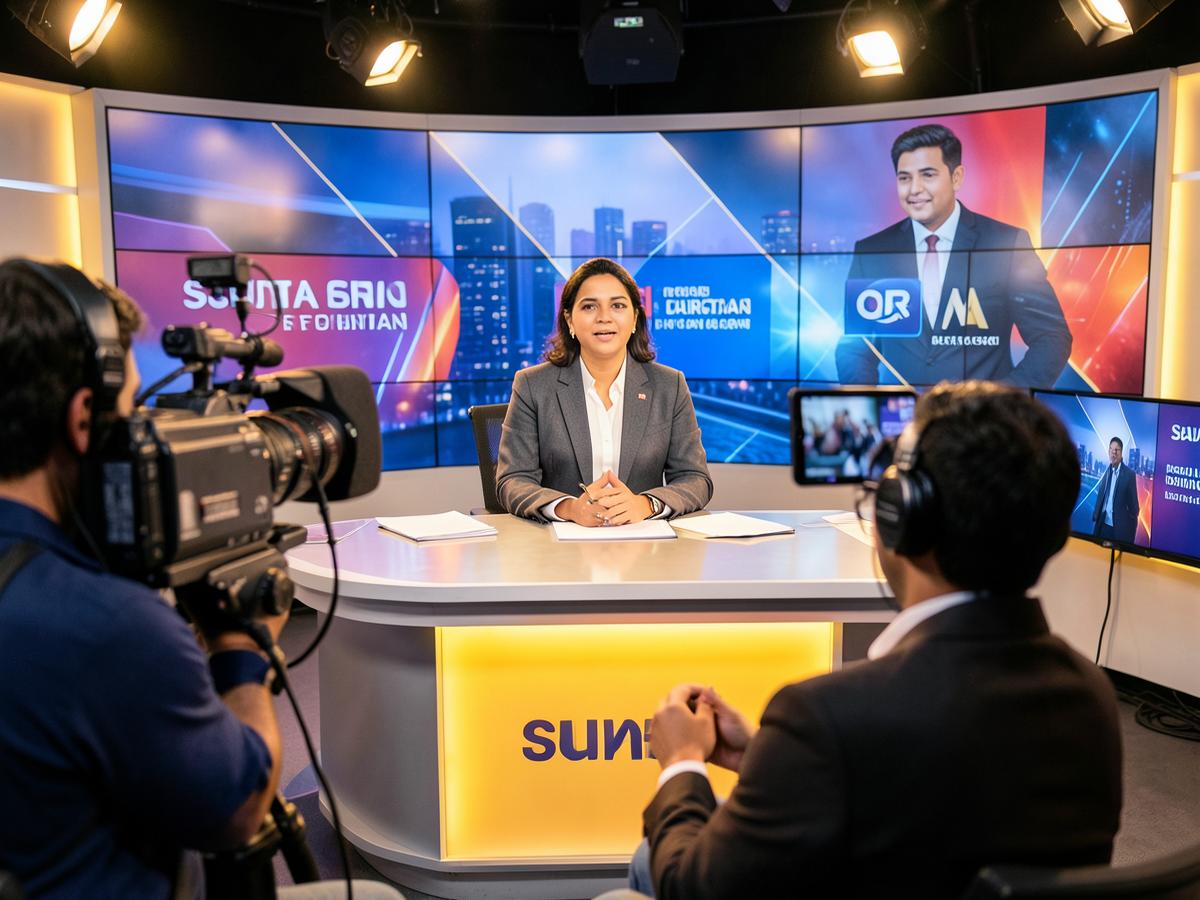
The National Television Academy trains media professionals inside the working facilities of the Sri Lanka Rupavahini Corporation — the country's national television broadcaster.
Our Story
Built on four decades of national broadcasting
Since national television began in Sri Lanka, the corporation has carried the responsibility of producing drama, news and educational programming in Sinhala, Tamil and English. The academy exists to pass that craft on.
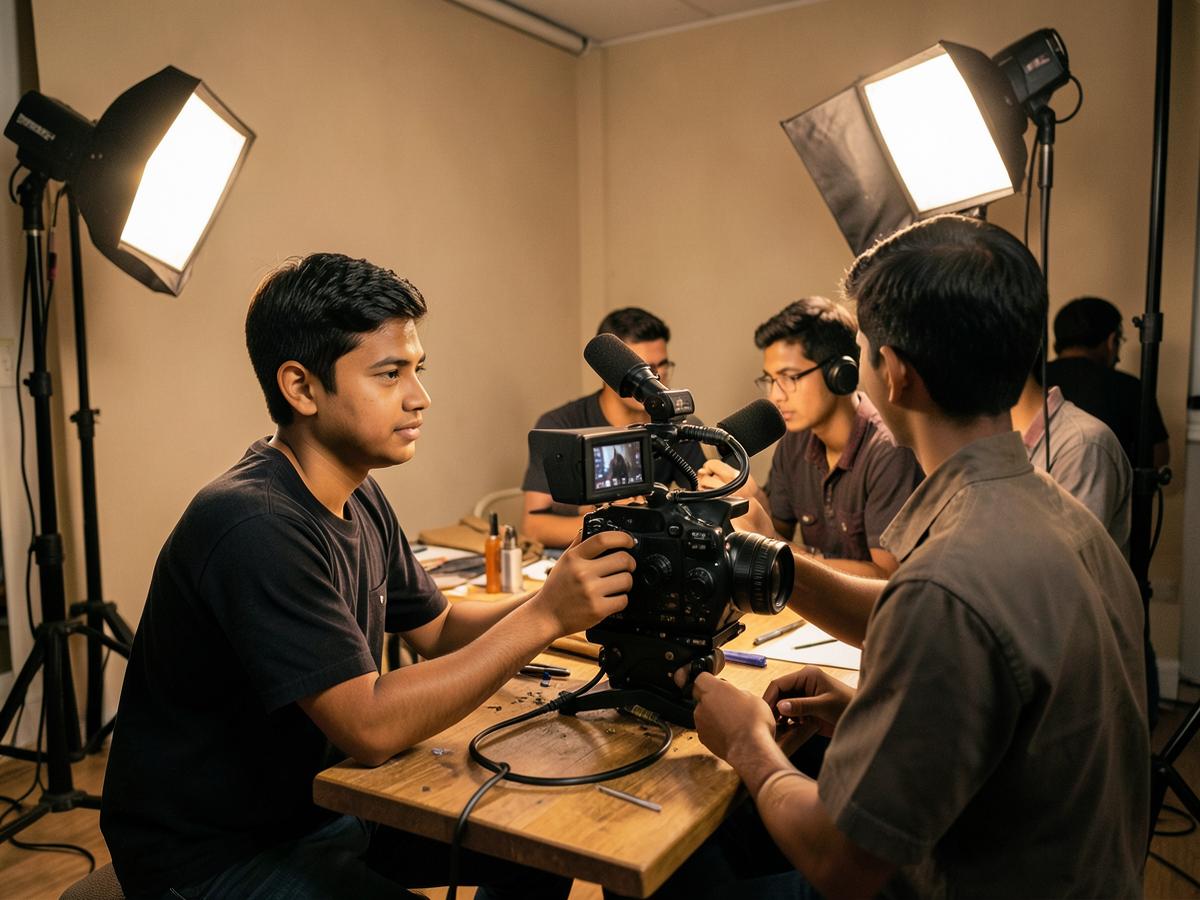
Students learn where programmes are actually made. Instructors are working professionals — directors, presenters, camera operators, lighting technicians and dubbing artists — who teach the standards they are held to on transmission days. That proximity to real production is the academy's defining advantage.
Our Vision
To be Sri Lanka's leading centre for practical television and media education, producing graduates who raise the standard of national broadcasting.
Our Mission
To deliver hands-on, industry-led training in performance, presenting and broadcast technology in all three national languages, inside genuine production facilities.
SLRC Affiliation
Our place within the corporation
1982
Established by Act of Parliament
The Sri Lanka Rupavahini Corporation was created under an Act of Parliament, with a commission appointed to establish national television broadcasting.
1982
Founded under M. J. Perera
The corporation began under the leadership of M. J. Perera, with technical and financial support from Japan enabling the first studios and transmission network.
1986
Studio Expansion
Production capacity grew with additional studio facilities, expanding locally produced drama, current affairs and educational programming.
1998
Digital Upgrade
A major grant funded a digital upgrade of production and transmission equipment, modernising the corporation's broadcast infrastructure.
Today
Three National Channels
Rupavahini, Channel Eye and Nethra TV broadcast nationally, and the National Television Academy trains the next generation of media professionals within these facilities.
Leadership
Who leads the academy
Names and titles below are placeholders pending official confirmation.
Director of the Academy
[PLACEHOLDER — name]
Academic direction and programme oversight.
Head of Training
[PLACEHOLDER — name]
Curriculum, instructors and studio scheduling.
Studio Operations Lead
[PLACEHOLDER — name]
Facilities, equipment and production support.
Facilities
Where you will train
- Broadcast television studios with lighting grids
- Production gallery and vision-mixing suite
- Sound-treated dubbing and voice recording booths
- Non-linear editing suites
- Camera and lighting equipment stores
- Rehearsal and drama practice rooms